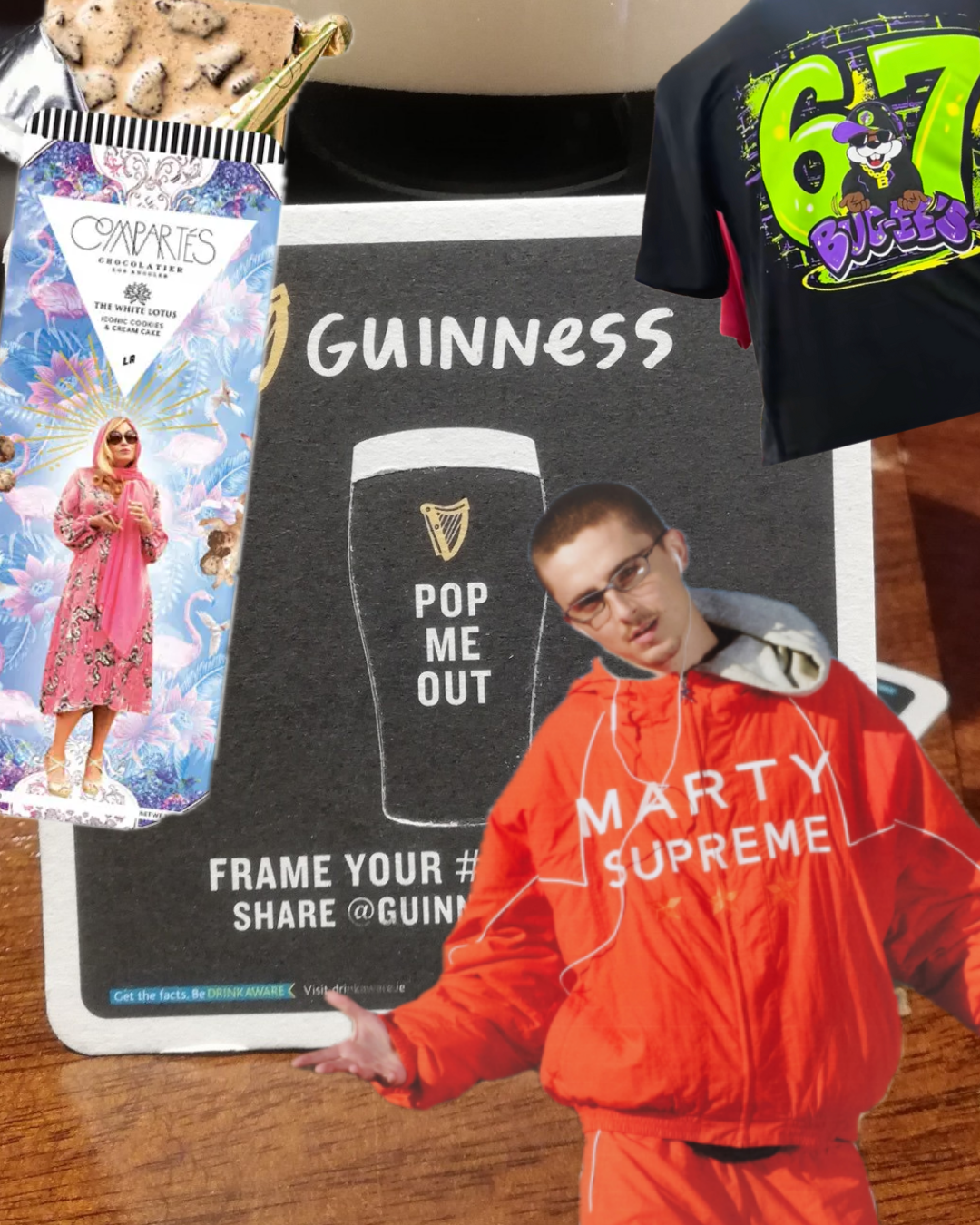
The Shift Away From Generic Swag
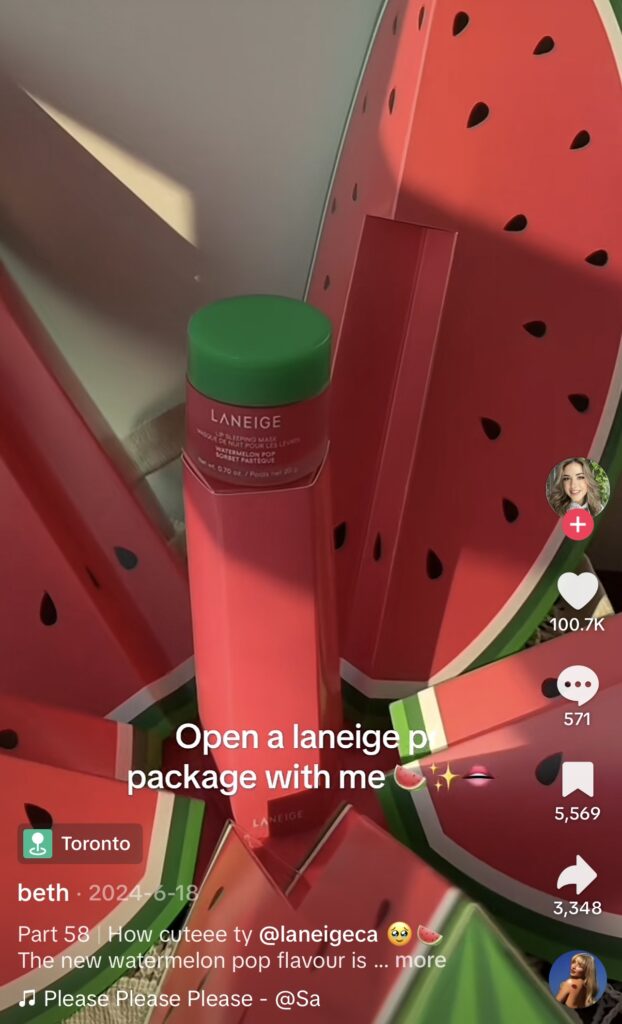
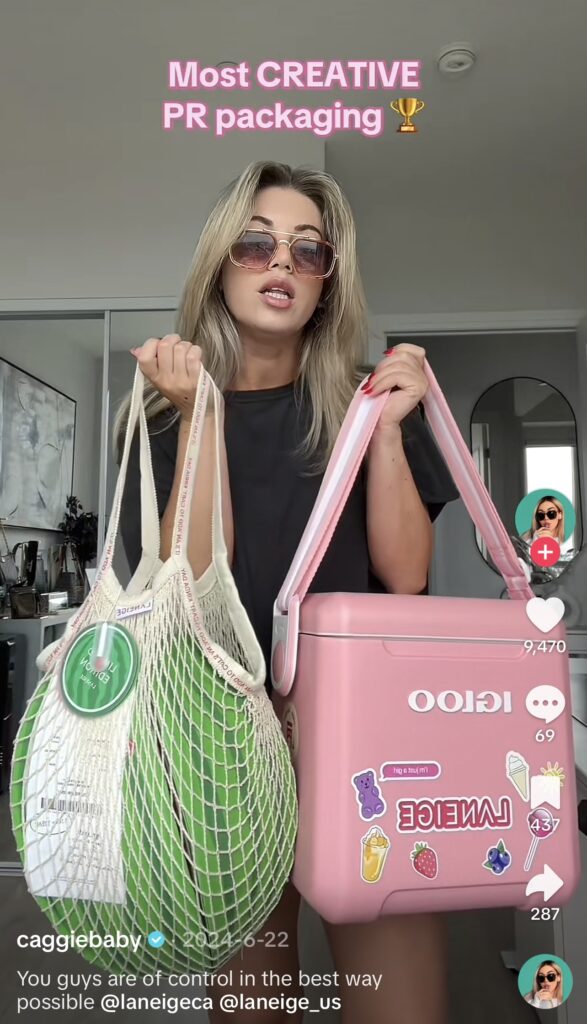
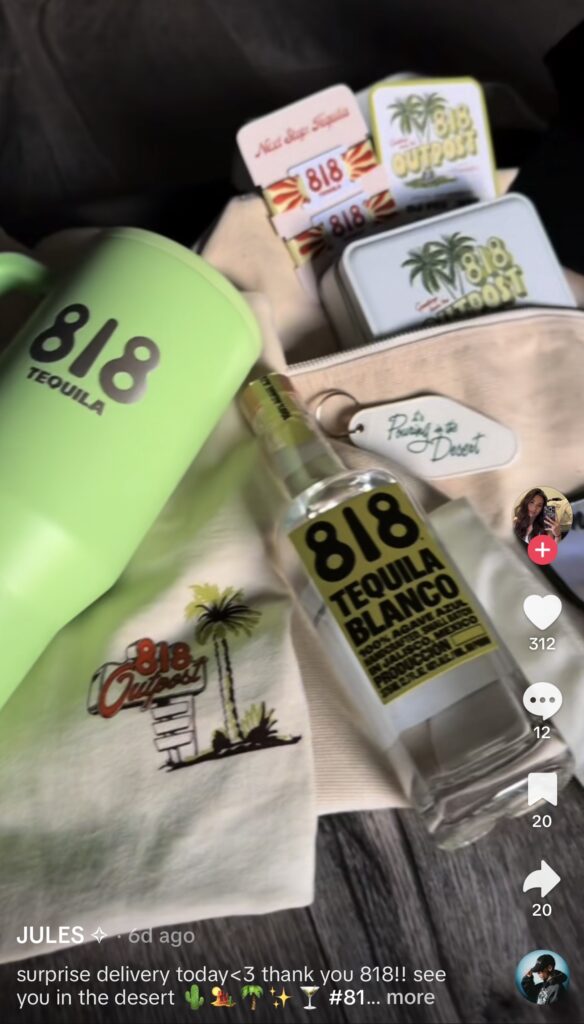
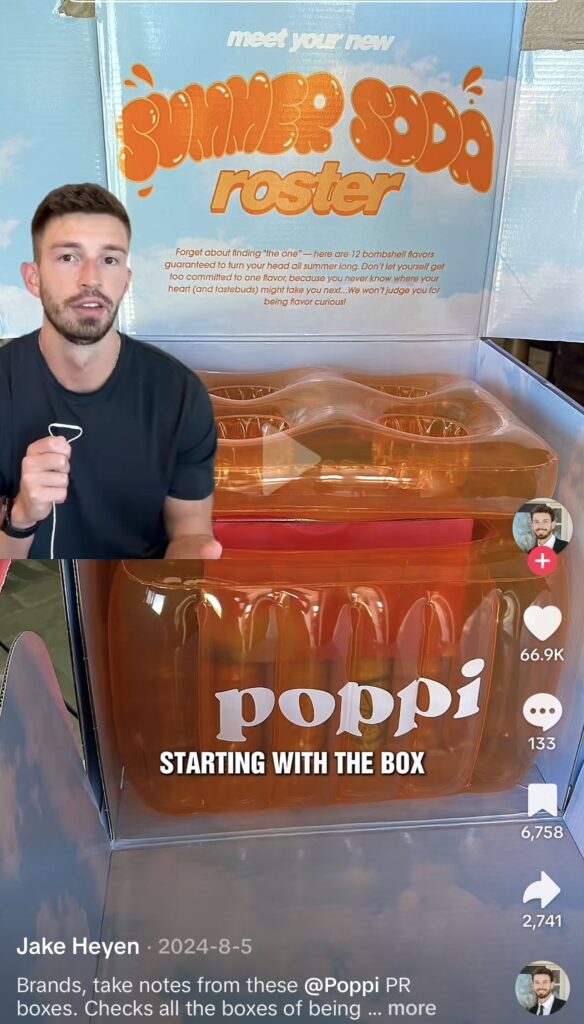
In the last few years, brand merch has undergone a major transformation. The era of generic swag like stickers, tote bags, and logo tees, is rapidly fading. Instead, brands are embracing a new wave of niche, highly designed, and functional products that feel less like promotional items and more like an artifact you actually want to have and will use. Merch is no longer just an add-on or a giveaway. It has become a micro-experience that extends the brand far beyond an event or campaign. When executed well, these physical items aren’t just merch, they’re strategic tools for storytelling, identity-building, and experiential engagement.
People don’t simply remember what they saw at an event. They remember what they touched, used, and took home with them. Tactile objects create emotional memory, and niche merch taps into that power. A thoughtfully designed physical item becomes a “take-home experience,” something that continues to reinforce brand identity long after the moment has passed.
Turning Everyday Objects Into Brand Storytelling
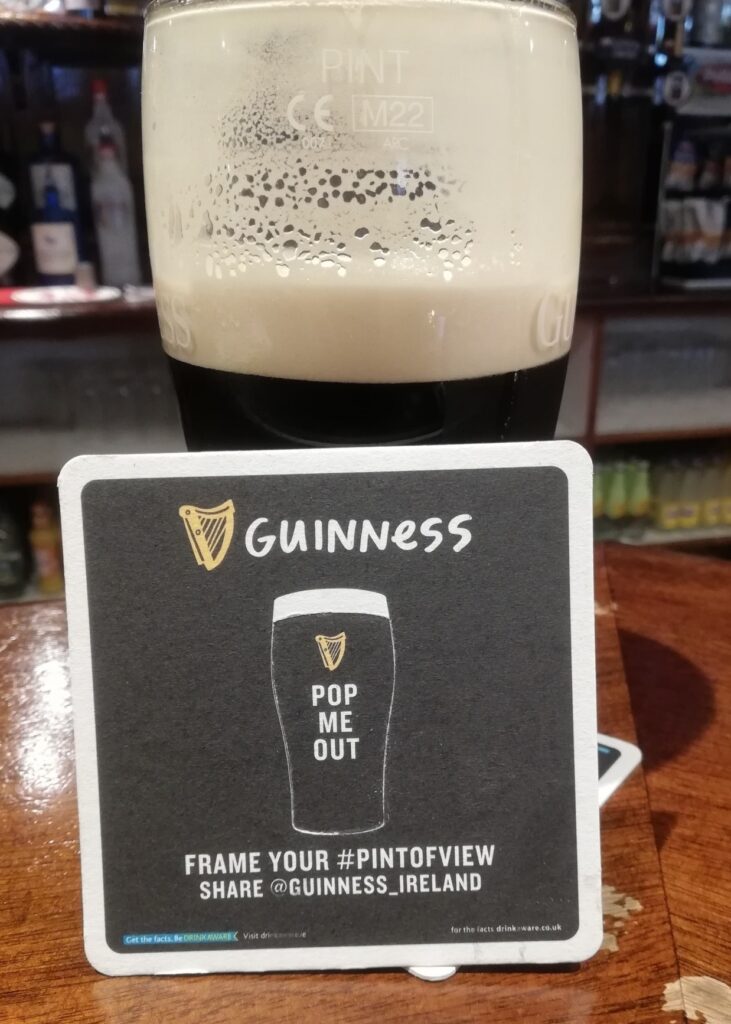
Consider the Guinness “Pint of View” coaster, a tiny design object that unexpectedly reframed the entire brand experience. It wasn’t a bland logo coaster, it was a witty, design-driven piece that turned a simple drink into a moment. When objects are designed with intention, they go beyond functionality and become a form of 3D storytelling. They don’t just remind people of a brand, they invite people to participate in a narrative.
This is why brands are increasingly investing in small, uncommon merch items that feel thoughtful rather than mass-produced. These aren’t just products, they are portable experiences, each one reinforcing the emotional and aesthetic world the brand wants to build.
Cultural Relevance and Virality
Another reason niche merch has exploded is its connection to cultural trends. Brands aren’t just producing items, they’re tapping into timely moments, memes, aesthetics, or public conversations, then translating that relevance into physical form.
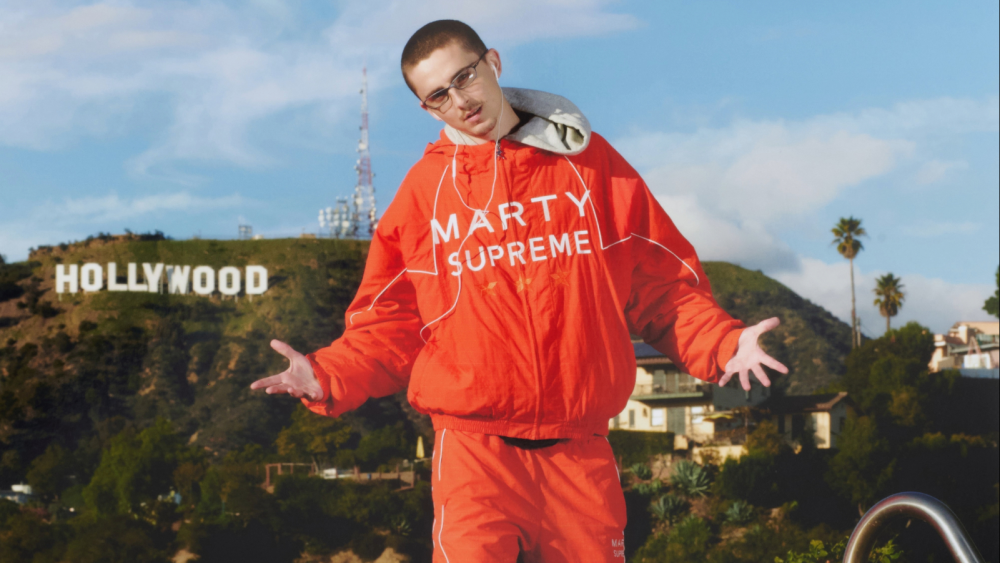
One of the clearest examples is the recent merch frenzy around Timothée Chalamet’s new movie “Marty Supreme.” Designed by Doni Nahmias, the merch collection was initially created just for Chalamet himself. But once fans saw celebrities like the Kardashians wearing it and spotted Chalamet at a Manhattan pop-up for just a minute, the merch became a cultural phenomenon. Lines formed, videos went viral on TikTok, and the apparel became a symbol of insider access and cultural participation. Trend-based merch becomes instantly shareable, fueling organic virality because people want to signal they were part of a moment.
This shows how niche merch can evolve into cultural currency. It carries meaning, status, humor, or timeliness, qualities that generic swag will never deliver.
Designing the Experience, Not Just the Item
Experiential marketing thrives when the physical environment meshes seamlessly with design. When an event gives people a thoughtfully designed artifact, the experience becomes richer and more immersive.
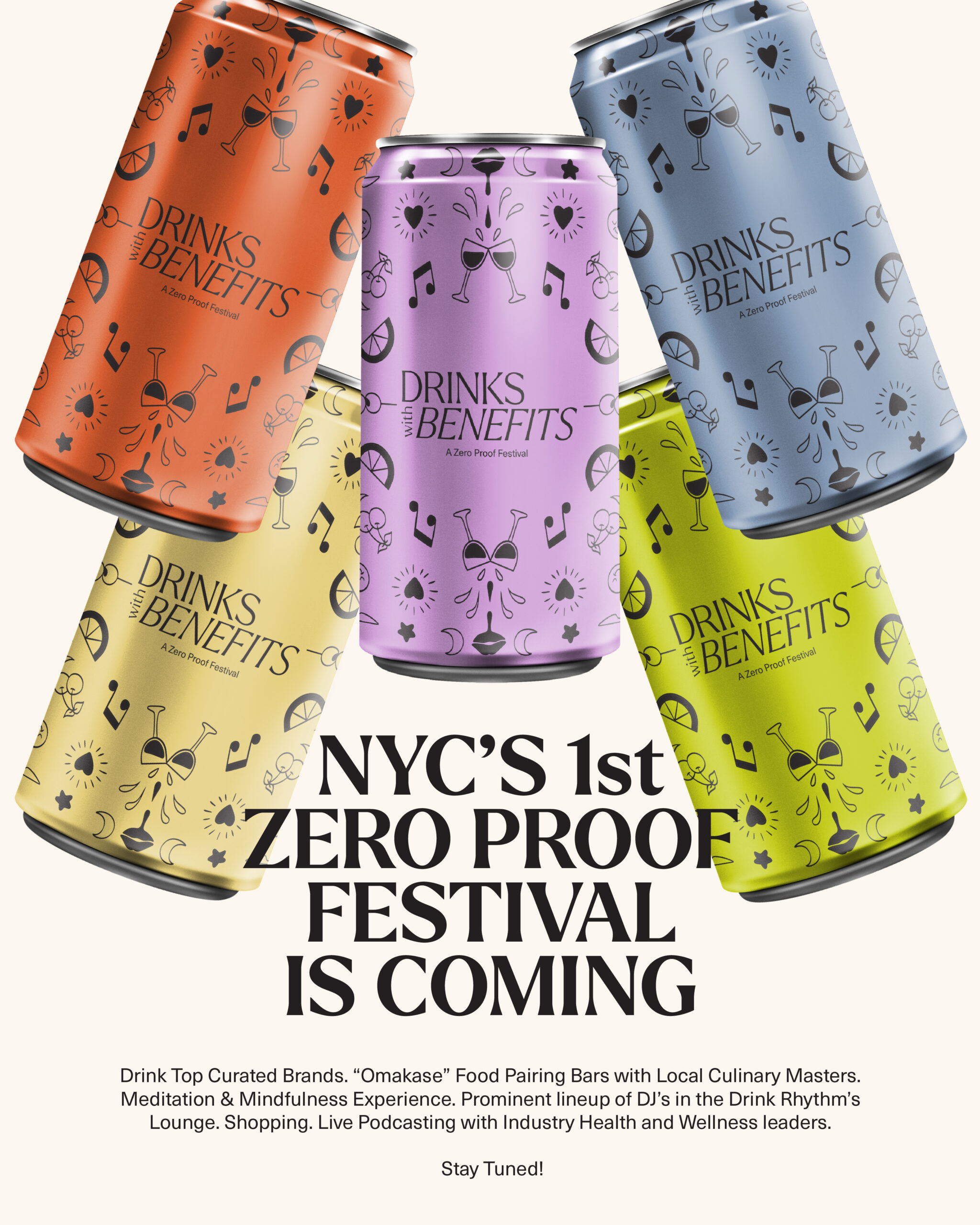
Think about coasters, tasting passports at festivals, or tiny branded tools given out at product launches. These aren’t random freebies, they are carefully crafted design pieces that support the environment, reinforce the campaign, and help attendees “live” the brand story.
Good design transforms functional objects into meaningful experiences. People don’t remember a simple tote bag, but they remember a cleverly designed object that feels tied to their personal experience of the event. When brands incorporate visual identity into small physical moments, they bridge the gap between digital hype and real-world engagement.
Exclusivity and Limited Drops
Another major trend fueling this niche-merch moment is the rise of limited-run physical collaborations. Brands are partnering with designers, artists, influencers, and celebrities to create pieces that drop only at specific events, resulting in built-in exclusivity and hype.
Pop-up premieres, festival activations, film releases, and album launches have all become stages for merch to shine. Attendees receive items they can only get there, in that moment, turning each object into a memory. Scarcity meets relevance, producing emotional intensity and desirability. People want to own the object because it ties them to an experience that can’t be replicated.
These collaborations demonstrate that merch is no longer an afterthought, it’s a curated extension of a brand’s aesthetic and cultural voice.
Celebrity-Led Experiential Merch
It’s not just brands entering this space, celebrities themselves are using niche merch as experiential marketing. Chalamet’s fake marketing Zoom stunt, the actor-designed apparel drops, influencer capsule collections, these are all examples of physical objects becoming promotional tools. When celebrities embrace creative physical design, culture tends to follow.
This tells brands one important thing: niche merch isn't short lived, it's a cultural shift.
The Strategic Power of Niche Merch
Strategically, niche merch is incredibly effective. It works because it creates emotional stickiness, it’s highly shareable on social media, it’s functional, it signals insider status, it turns fans into brand ambassadors, and it extends brand presence beyond the event itself.
Merch is no longer just an output, it’s a channel. A well-designed item can reach far more people than the event that launched it.
Looking Forward
Experiential marketing and design are now inseparable. Digital hype builds anticipation, but physical objects cement memory. Brands that embrace niche, highly designed merch aren’t just running campaigns, they’re shaping culture through physical touchpoints.
The future of experiential design isn’t in large, flashy activations, it’s in small, intentional physical moments that feel highly personal and deeply connected to a brand’s identity. And that’s exactly why niche merch is becoming one of the most powerful tools in modern marketing.